


October 5, 2026
Brain Wave Mushroom Gummies Near Worcester: Honest Review & Where to Buy
The honest short version
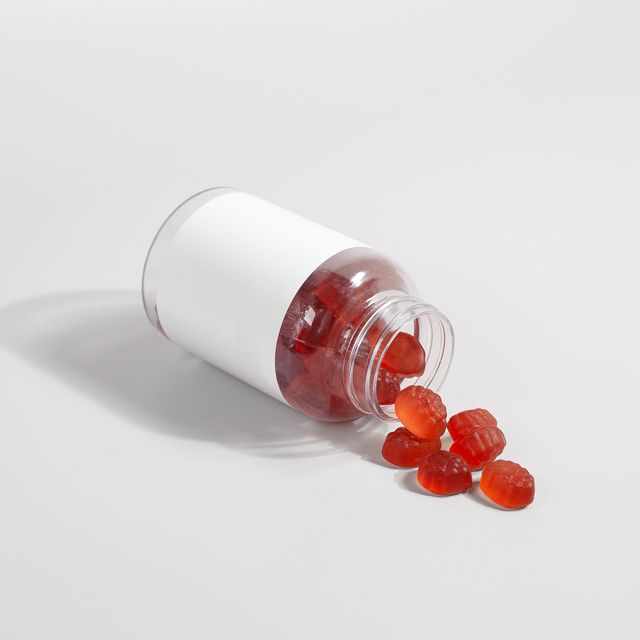
Brain Wave Superfood Mushroom Gummies are a non-psychoactive functional mushroom gummy that combines six mushrooms, sold at deVINE on Pleasant Street in Worcester for $49.99. The retail listing does not name the six mushrooms or give amounts, so read the physical label before buying. They contain no psilocybin, and they are a supplement, not a treatment for brain fog or anything else.
“Mushroom gummies” is one of the most confusing phrases in retail right now. It can mean a daily supplement made from lion’s mane and reishi. It can also mean an unregulated “shroom” gummy of unclear contents sold in a smoke shop, or, where sold illegally, a psilocybin product. Brain Wave falls firmly into the first group: a functional, non-psychoactive supplement.
This review looks at what is on the label, what is missing from it, how to judge any functional mushroom gummy, and where to find Brain Wave near Worcester. We have not been paid by the brand, and we will point out gaps where we see them.
First, the Line Between Functional and Psychoactive
Let us be completely clear, because this matters for your safety and for the law.
Functional mushrooms such as lion’s mane, reishi, cordyceps, chaga, turkey tail, and shiitake are edible, non-psychoactive fungi used in foods and supplements. They do not contain psilocybin and do not cause a high.
Psilocybin mushrooms contain a Schedule I controlled substance under federal law. Psilocybin is also illegal in Massachusetts, where voters rejected the 2024 ballot question that would have legalized certain natural psychedelics. There is no legal retail market for psilocybin products in this state.
Unregulated “mushroom” edibles sold with vague labels are a third, risky category. In 2024 the FDA investigated serious illnesses, including hospitalizations, tied to one brand of mushroom-branded chocolate bars and gummies, and those products were recalled.
Brain Wave is marketed as a functional mushroom supplement. If you ever see a gummy that hints at a trip, a “journey,” or a psychedelic effect without naming exactly what is inside, do not buy it.
What the Brain Wave Listing Says
According to deVINE’s listing for Brain Wave Superfood Mushroom Gummies, the product is a blend of six functional mushrooms positioned as a daily mushroom supplement, with the tagline “like floss for your brain.” The listing says the blend is formulated and “traditionally used” to support focus and calm energy, and that studies suggest mushrooms may support immunity. It also says the gummies taste good. The price is $49.99.
That is the full extent of the product information on the retailer page.
What the Listing Does Not Tell You
An honest review has to point out what is missing, and here the gaps are significant:
- Which six mushrooms. The listing does not name them.
- How much of each. No milligram amounts per gummy are shown.
- Fruiting body or mycelium. Not stated.
- Count and serving size. The number of gummies per container and the recommended serving are not listed.
- Sugar and other ingredients. No nutrition or ingredient panel is shown.
- Third-party testing. No certificate of analysis or testing seal is referenced.
None of that means the product is bad. It means you cannot judge it from the website alone. The physical bottle should have a Supplement Facts panel with most of these answers, which is one strong reason to buy this kind of product in person, where you can read the label first.
How to Evaluate Any Functional Mushroom Gummy
Whether you end up buying Brain Wave or something else, the same checklist separates solid products from marketing.
- Species named on the label. Look for Latin names like Hericium erinaceus (lion’s mane) or Ganoderma lingzhi (reishi). “Mushroom complex” alone is not enough.
- Amount per serving for each mushroom. Proprietary blends that hide individual amounts make it impossible to compare products or doses.
- Fruiting body versus mycelium. The fruiting body is the cap and stem; mycelium is the root-like network often grown on grain. Many buyers prefer fruiting-body products, and good brands say which they use.
- Extract type and ratio. Terms like “10:1 extract” or “dual extract” tell you something about concentration and processing.
- Sugar per serving. Gummies usually contain sugar. Check how much you would eat daily.
- Testing. A certificate of analysis or independent testing seal is a strong quality signal.
- No disease claims. Supplements cannot legally claim to treat or cure disease. Bold claims are a red flag.
The NIH’s National Center for Complementary and Integrative Health has a helpful guide on using dietary supplements wisely. It explains that supplements are not reviewed by the FDA for safety and effectiveness before they are sold, that “natural” does not automatically mean safe, and that supplements can interact with medications. It also suggests looking for independent quality seals.
What Does the Research Say About Functional Mushrooms?
The most common “brain” mushroom in these blends is lion’s mane, so it is the one worth looking at first. Researchers have studied lion’s mane and cognition, and you can browse that work through PubMed’s results for Hericium erinaceus and cognitive function. What you will find is a mix of cell and animal studies and a smaller number of human trials. The human studies are generally small, short, and use different preparations and doses, which makes firm conclusions difficult.
Other common blend ingredients, such as reishi, cordyceps, and chaga, are in a similar position: interesting early research, limited high-quality human evidence, and no FDA approval for any health claim.
The fair takeaway: functional mushroom gummies are a supplement you can try if you like the idea, but the science does not support expecting a dramatic effect. And because the Brain Wave listing does not state amounts, there is no way to compare its doses with those used in any study.
Here is a short video review of the product for another perspective:
Where to Buy Brain Wave Near Worcester
deVINE Worcester
The local option is deVINE’s Pleasant Street shop in Worcester, at 246 Pleasant Street, Worcester, MA 01609. It is open every day from 10 AM to 8 PM. Call (774) 622-2386 to confirm the gummies are in stock.
Why it stands out. Buying in person lets you read the Supplement Facts panel before paying $49.99, which fills in the gaps the website leaves. You can also ask staff which six mushrooms are in the blend and whether testing documents are available.
Best for. Shoppers who want to see the label first, and people who want to compare functional mushroom formats, since the store also sells mushroom chocolates and mushroom drinks.
What to know. Be specific when you ask. The same store sells products in other categories, so ask for Brain Wave by name and confirm it is the functional supplement.
If you are comparing formats in the same visit, the store’s functional mushroom range also includes chocolate squares and canned drinks. Gummies are the easiest to take daily, chocolates tend to list extra active ingredients like caffeine more clearly, and drinks are the most social. Picking the format you will actually stick with matters more than small differences between brands, so choose the one that fits your routine rather than the one with the boldest packaging.
Online and elsewhere
Functional mushroom gummies from many brands are sold online and at some health food stores. If you shop elsewhere, apply the same checklist above. We could not confirm other Worcester retailers that reliably carry Brain Wave specifically.
Gummies vs Other Functional Mushroom Formats
| Format | Pros | Cons | Label to check |
|---|---|---|---|
| Gummies (e.g., Brain Wave) | Easy, tasty, pre-dosed | Added sugar; doses often small or undisclosed | Species, mg per gummy, sugar |
| Capsules | No sugar; often higher doses | Pills; less enjoyable | Extract ratio, fruiting body |
| Powders | Flexible dosing; mixes into coffee or smoothies | Earthy taste; measuring needed | Serving size, extract type |
| Chocolates | A treat format; some list extra actives clearly | Costly per serving; may contain caffeine | Caffeine per square, species |
| Drinks | Social, alcohol-free ritual | Small doses; pricey per serving | Caffeine, cannabinoids, species |
Where Functional Mushrooms Come From
Most functional mushrooms sold in the U.S. are cultivated. Cultivation methods, substrate, and handling all affect quality and consistency. The American Mushroom Institute, a trade association for U.S. mushroom growers, is a useful place to learn how commercial mushrooms are grown and handled safely. While much of its focus is on culinary mushrooms, the same principles of clean cultivation and traceability apply to mushrooms used in supplements.
When comparing products, favor brands that name their mushroom sources, state whether they use organic cultivation, and publish testing for contaminants such as heavy metals.
The Mushrooms Most Often Found in Six-Mushroom Blends
Because the Brain Wave listing does not name its six mushrooms, here is a quick guide to the species that appear most often in multi-mushroom gummies. Use it to make sense of the bottle’s label when you see it. We are not saying these are the six in Brain Wave.
Lion’s mane (Hericium erinaceus). A shaggy white culinary mushroom and the most common “focus” ingredient. Research interest centers on the nervous system, mostly in lab and animal studies so far.
Reishi (Ganoderma lingzhi and related species). A woody, bitter mushroom with a long history in East Asian traditional practice, usually marketed for calm and evening use.
Cordyceps. Typically cultivated today and marketed for energy and stamina. Human studies are small and mixed.
Chaga (Inonotus obliquus). A dark growth found on birch trees, often brewed as a tea. It is high in oxalates, which is a consideration for people prone to kidney stones.
Turkey tail (Trametes versicolor). A striped, fan-shaped mushroom studied mainly in relation to immune function, including in research settings with cancer patients alongside standard treatment.
Shiitake (Lentinula edodes). A familiar cooking mushroom, sometimes included in blends for its nutritional profile.
If the Brain Wave label lists different species, the same approach applies: look each one up, check for interactions with anything you take, and note the amount per serving.
Questions to Ask at the Counter
Since the website leaves several gaps, a short conversation in the store is worth having before you spend $49.99.
- “Can I see the Supplement Facts panel?” This should answer the species and amounts question.
- “How many gummies are in the bottle, and what is the serving size?” This tells you the real cost per day.
- “Is there a certificate of analysis or testing information?” Reputable brands usually have one.
- “How much sugar is in a serving?” Useful if you are watching sugar or managing blood sugar.
- “Is this non-psychoactive?” It should be, and staff should be able to confirm that clearly.
Working Out the Real Cost Per Day
The sticker price of a supplement tells you very little on its own. What matters is the cost per daily serving, and that depends on the bottle count and serving size printed on the label.
The math is simple once you have the label. Divide $49.99 by the number of servings in the bottle. For example, if a bottle held 30 daily servings, that would be about $1.67 a day; if it held 60, about 83 cents. Compare that figure across brands, alongside how much of each mushroom you get per serving, and you will quickly see which products offer real value and which are mostly packaging.
A Realistic Routine for Focus
People reach for “brain” gummies because they want to think more clearly. That is a reasonable goal, and it is worth knowing that the biggest levers for focus are not supplements.
Sleep. Consistent, sufficient sleep does more for concentration than any gummy. Most adults need seven or more hours on a regular basis.
Movement. Regular physical activity, even a brisk daily walk, supports mood and focus.
Food and water. Regular meals with protein and fiber help avoid energy dips. Mild dehydration can also affect how sharp you feel.
Caffeine timing. Coffee can help focus in the morning, but late-day caffeine often hurts sleep, which hurts focus the next day.
Screen breaks. Short breaks away from screens help attention recover during long work sessions.
If you add a functional mushroom gummy to a routine like that, fine. Just give the basics the credit they deserve. And if brain fog is persistent or new, see a doctor, since it can be linked to sleep problems, thyroid issues, low iron, medication side effects, and other treatable causes.
Storing Gummies Properly
Gummies are sensitive to heat and humidity. Keep the bottle tightly closed in a cool, dry place away from direct sun, and never leave it in a hot car, where gummies can melt into a single lump. Check the expiration date, and keep bottles out of children’s reach. Because gummies look like candy, it is worth storing them somewhere separate from actual candy in the house.
How to Give a Supplement a Fair Trial
If you decide to try Brain Wave or any similar gummy, a simple, structured trial tells you far more than a vague impression after a few days.
- Follow the label serving, and do not exceed it.
- Change one thing at a time. Starting a new supplement the same week you start a new job, a new diet, or a new sleep schedule makes it impossible to tell what is working.
- Give it a set window, such as four weeks, since brands describe functional mushrooms as something taken over time.
- Keep a short daily note on focus, energy, and sleep, on a simple 1 to 5 scale. Patterns show up on paper that you would never notice otherwise.
- Stop if you notice side effects such as stomach upset, rash, or anything unusual, and talk to a healthcare provider.
- Reassess honestly at the end. If you cannot point to a difference, that is useful information, and $49.99 a bottle is a real cost to weigh against it.
Mushroom Gummies and the Law in Massachusetts
It is worth restating the legal picture plainly, because the words “mushroom gummies” appear on very different products. Functional mushroom supplements like Brain Wave are legal to buy and sell as dietary supplements. Psilocybin mushroom products are not legal to sell or possess in Massachusetts, regardless of how they are packaged or what a website claims. Unregulated “shroom” edibles with unclear contents occupy a gray and risky space, and some have been linked to serious illnesses. When in doubt, stick to products that plainly list non-psychoactive mushroom species and come from a retailer willing to answer questions.
Who Should Skip or Check First
- Pregnant or breastfeeding people, since most functional mushrooms have not been well studied in pregnancy.
- People taking medications, particularly blood thinners, blood pressure medicines, diabetes medicines, or immunosuppressants, since some mushrooms may interact. Ask a pharmacist.
- People with mushroom allergies, or anyone who has reacted to mushroom supplements before.
- People managing blood sugar, since gummies usually contain added sugar.
- Anyone scheduled for surgery, who should tell their doctor about all supplements.
- Children, since gummies look like candy and are adult supplements.
Our Honest Verdict
Brain Wave is a functional, non-psychoactive mushroom gummy with a friendly format and a clear pitch. The weakness, based on what is available online, is transparency: the retailer listing does not name the mushrooms, give amounts, or reference testing. At $49.99, that is information a buyer deserves up front.
On the plus side, the gummy format is genuinely convenient, and for people who dislike the earthy taste of mushroom powders or teas, a flavored gummy can be the difference between taking a supplement and giving up on it after a week.
Our recommendation: if the physical label names all six species, lists amounts per serving, and states fruiting body or extract details, it is a reasonable product to try as part of a normal routine. If the label is vague, look for a competitor that is more open about what is inside. Either way, expect a pleasant daily supplement, not a transformation.
Brain Wave Mushroom Gummies FAQ
Do Brain Wave mushroom gummies contain psilocybin?
No. They are marketed as a functional mushroom supplement made from non-psychoactive mushrooms. Psilocybin is illegal in Massachusetts and under federal law.
Where can I buy Brain Wave mushroom gummies near Worcester?
deVINE at 246 Pleasant Street sells them for $49.99 and is open 10 AM to 8 PM daily. Call (774) 622-2386 to confirm stock.
Which mushrooms are in Brain Wave gummies?
The retail listing says six functional mushrooms but does not name them. Check the Supplement Facts panel on the bottle or ask the store before buying.
Do mushroom gummies work for brain fog?
Evidence is limited. Research on mushrooms like lion’s mane is mostly early-stage, and no mushroom gummy is FDA-approved to treat brain fog or any condition. Persistent brain fog is worth discussing with a doctor.
Are functional mushroom gummies safe?
Many healthy adults tolerate them, but supplements are not reviewed by the FDA before sale and can interact with medications. Check with a pharmacist if you take prescriptions, and avoid them during pregnancy unless your doctor approves.
How do I choose a good mushroom gummy?
Look for named species, amounts per serving, fruiting body or extract details, sugar content, and third-party testing. Avoid products with vague labels or disease claims.
Disclaimer
This review is general information, not medical advice. Brain Wave Superfood Mushroom Gummies and other functional mushroom supplements have not been evaluated by the FDA to diagnose, treat, cure, or prevent any disease, and statements about “focus,” “calm energy,” or “immunity” are marketing descriptions, not verified health outcomes.
The products discussed here contain no psilocybin and are not psychoactive. Psilocybin and psilocybin-containing products are illegal under federal law and under Massachusetts law, and nothing in this article encourages their purchase or use. Avoid any “mushroom” edible that does not clearly list its contents.
Consult a healthcare provider before using supplements if you are pregnant or nursing, take medication, or have a medical condition. Keep gummies away from children. Prices and availability may change; confirm with the retailer.




 Mushroom retail vaping products are often marketed for their potential to support relaxation, focus, or overall balance. Unlike traditional edible mushroom supplements, vaping formats are designed for fast absorption and convenience. However, responsible retail practices are essential. Clear labeling, ingredient transparency, compliance with local regulations, and customer education should always be top priorities in this category.